Skip to main content.
Contact usCurrent vacanciesFind an event
St John's Hospice charity logo.
Our care
Day servicesInpatient careCommunity specialist palliative careHospice@HomeTherapiesSocial work and welfare benefitsLymphoedema careBereavement support
About us
Our impact and reportsOur historyOur supporter promiseOur peopleWork for us
Get involved
Sponsor a healthcare assistantFind an event
Give in memory
Dedicate a JasmineDedicate a ButterflyDedicate a LeafSet up a tribute page
Leave a gift in your will
Already left a gift in your will?How to leave a gift in your willOur free will service: My Intent
Partner with us
Corporate partnershipsTrusts and foundations
Give through your health insuranceFundraise your own wayVolunteer
Shop
Visit our charity shopShop online
News
DonateMake a referral
St John's Hospice charity logo.
Our care
Day services
Inpatient care
Community specialist palliative care
Hospice@Home
Therapies
Social work and welfare benefits
Lymphoedema care
Bereavement support
About us
Our impact and reports
Our history
Our supporter promise
Our people
Work for us
Get involved
Sponsor a healthcare assistant
Find an event
Give in memory
Dedicate a Jasmine
Dedicate a Butterfly
Dedicate a Leaf
Leave a gift in your will
Already left a gift in your will?
How to leave a gift in your will
Our free will service: My Intent
Give through your health insurance
Fundraise your own way
Volunteer
Partner with us
Corporate partnerships
Trusts and foundations
Shop
Visit our charity shop
Shop online
News
DonateMake a referral
  1. Home
  2. Ensuring our patients are always given the best nutrition and hydration
Skip to main content.

Share

Type

Blog

Theme

Hospice

Posted on

13/3/2020

Ensuring our patients are always given the best nutrition and hydration

When people aren’t feeling well, their appetite often falls by the wayside. However, it’s no secret that to support healthy body functions, it’s vitally important to maintain a balanced, healthy diet and to keep drinking water.

‍

Sue Hutton, our Day Care Unit Manager, explains how we provide and develop key practices to ensure our patients are optimally nourished and hydrated while they are in our care.

‍

Little and often

We know if we present someone with a large meal when they don’t have a good appetite, they are not going to eat very much at all. We focus on small portions on a regular basis rather than expecting someone to eat a large meal two or three times a day. It’s about fuelling the body to operate at its optimum level for as long as possible. Remember the message of small portions on a regular basis is better than overwhelming someone with big meals.

‍

Understanding the needs of patients

We always check whether our patients have allergies and if they require a special diet; be that vegan, kosher or halal. All of those who serve food, including our volunteers, are trained to be aware of such things and so are the kitchen staff. When we’re ordering food for patients we know they’re getting the things they are able and want to eat.

‍

Give them a choice

We want our patients to want to eat the food we provide for them. We always try and offer them something they’ll like and they have a choice of portion sizes. In the day centre, patients order what they’d like for lunch when they arrive. If they want something that is not on the menu then we can speak to the Chef and ask if they can do something on request. For instance, we had a recent request from a patient who didn’t want anything on the menu but did have a craving for a smoked salmon sandwich. We rang the kitchen and 10 minutes later the sandwich arrived. We’re working closely with our Executive Chef to ensure we’re able to provide patients more choice away from the ‘á la carte’ menu.

‍

Educate people to eat well

It’s always a challenge with older people who may only know the bones of good nutrition.  If you live on your own and you’re not feeling great, you don’t always want to cook yourself a meal. We try and support by ordering ready-made food which can be delivered to their homes. During hot weather, we’re always reminding patients to drink more than usual to keep hydrated. It’s very easy to dehydrate quickly.

‍

Keep an eye out for malnourishment

Whenever someone comes to the Hospice we always do a risk assessment of their nutritional status. We look at their body mass index and if they’ve had any acute illnesses. We also check to see if they’ve recently experienced weight loss. These checks give us a score that in turn alerts us as to whether a patient needs to speak to a dietician to get nutritional advice. We have a dietician who visits patients in the day centre and in the Hospice. But we’ve also got community dieticians who can visit people in their own homes. For example, cancer patients in the later stages can become very cachectic. So you want to maximise every opportunity for nutrition.

‍

Spot the signs

There are some really easy signs that we could all keep an eye out for. If in any real doubt, just ask them. What did you have to eat and drink yesterday? Is that the same as you’d usually eat or is it less?

‍

If you’re visiting someone you think might be vulnerable, check if they’ve got food in the fridge and groceries in their cupboards.

You might also be interested in

Image of City of Art London Sinfonia musician playing the flute where an art participant is playing the xylophone surrounding my art, paint brushes, and colours.

Creating Connection Through Art and Music at St John’s Hospice

Thanks to the support of generous donors and our partnership with City of London Sinfonia, patients at St John’s Hospice are experiencing the transformative power of art and music in the Wellbeing Centre.

Learn more
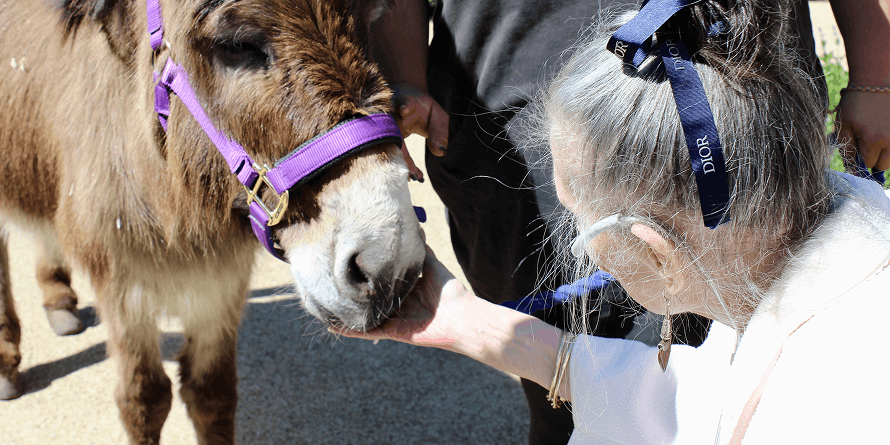
Tina strokes Clover nose after feeding her a carrot.

Tina's story: A very special visitor

Tina’s story is a reminder that hospice care is about so much more than medicine, as her dream of meeting a donkey is brought to life. It is about dignity, compassion and helping people continue to experience joy, connection and the things they love most.

Learn more
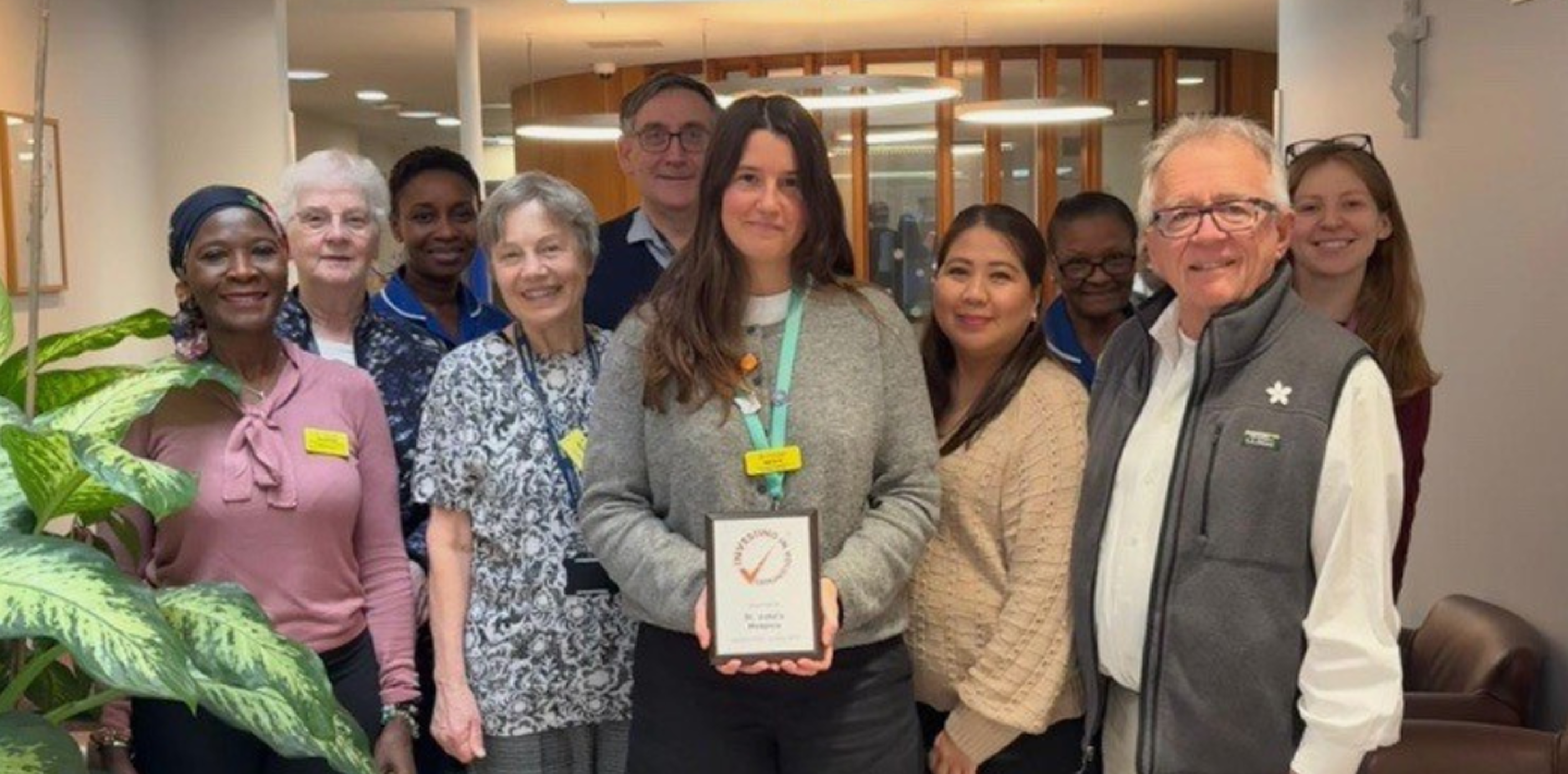
Community Fundraising and Volunteer Executive, Adriana, holds the IiV plaque, stood in a group with volunteers from across the organisation.

St John’s Hospice awarded prestigious Investing in Volunteers accreditation

We are proud to announce that we have been awarded the Investing in Volunteers accreditation, the UK’s nationally recognised quality standard for volunteer management.

Learn more

Join our mailing list

Receive the latest news and updates from St John’s straight to your inbox.

Sign up

Quick links

Contact usMake a referralWork for usOur careGet involved
A white icon of the Youtube logo.A white icon of the Linkedin logo.A white icon of the Facebook logo.A white icon of the Instagram logo.
Privacy policyTerms & conditionsAccessibility statementSitemap
Fundraising Regulator badge with validation link

St John’s Hospice is part of the charitable St John & St Elizabeth Hospital.

A purple and black version of the Fundraising regulator logo.

© Copyright St John’s Hospice 2026. S.S. John and Elizabeth Charity is a registered charity in England and Wales under 235822.

Charity web-design by Natalja Dembek